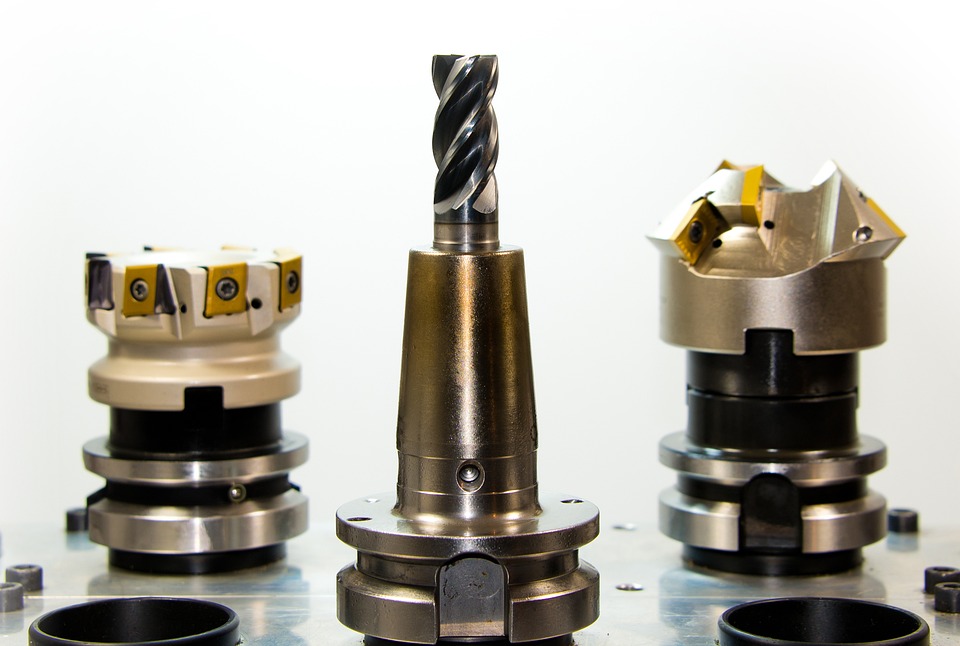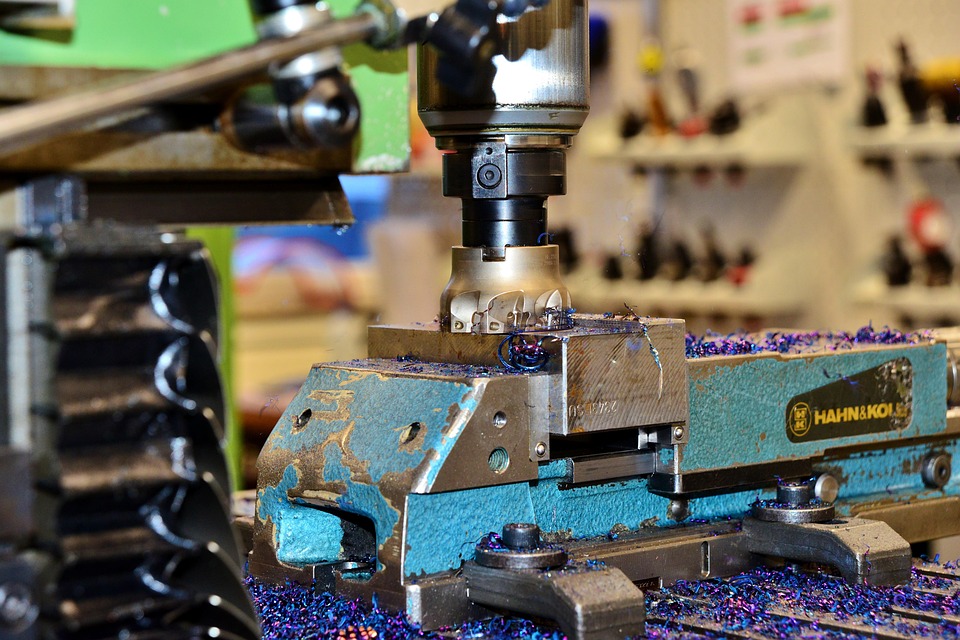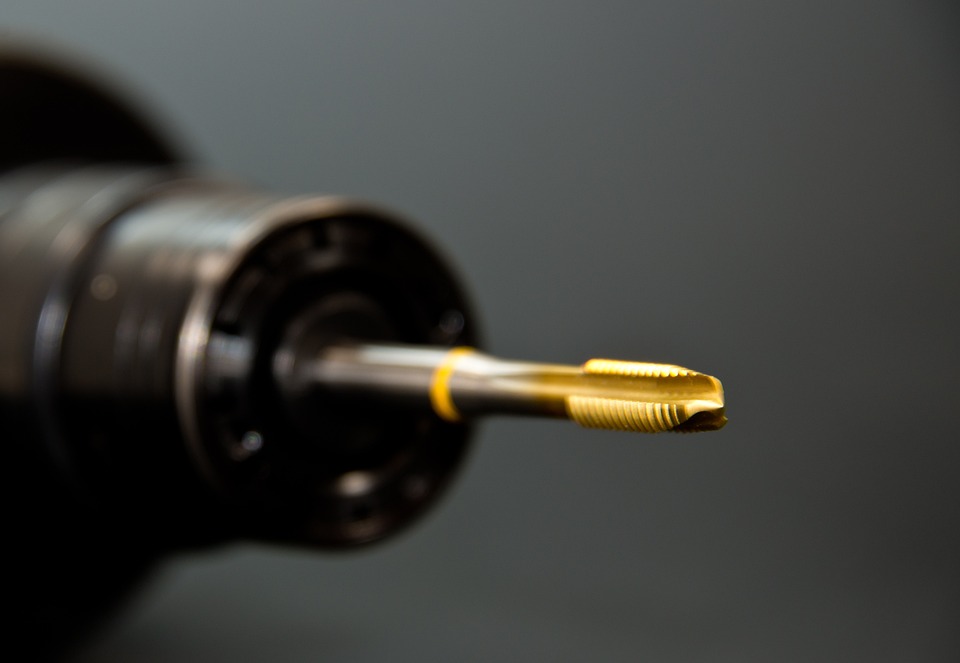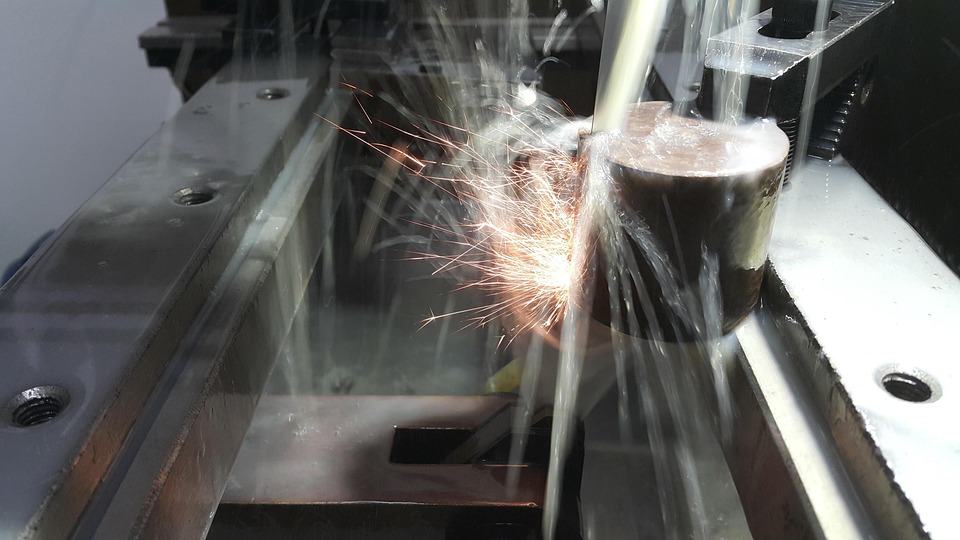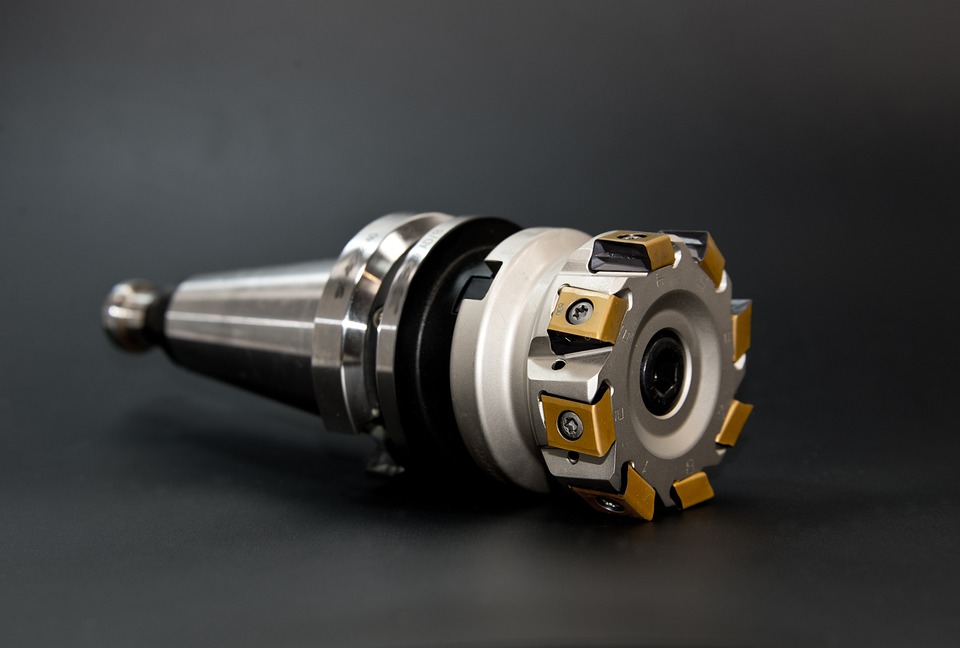
In the vast world of CNC machining, the milling cutter (end mill) is an indispensable assistant. From precision mold manufacturing to complex component machining, milling cutters play a vital role. Like a master engraver, they carefully shape various materials, turning designer blueprints into reality. For those in CNC machining—especially buyers with procurement needs—quickly understanding milling cutters is crucial. It helps you make smarter purchasing decisions and improve machining efficiency and quality.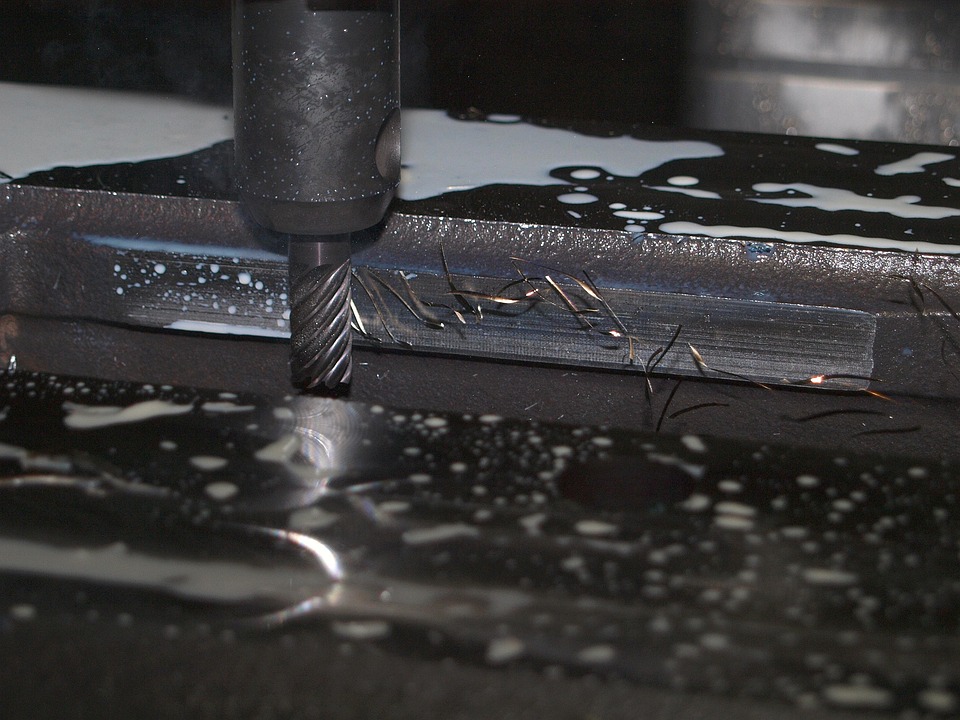
1. Types of Milling Cutters
Milling cutters come in many types, each with unique shapes and functions. Common types include square end mills, ball nose end mills, and corner radius end mills.
Square End Mill (Flat Bottom)
Also called an end mill, it has a simple design with a flat bottom and cutting edges along the cylindrical side. Like a “flat surface master,” it excels at face milling and slotting, precisely cutting various flat surfaces and square grooves. It is often used for roughing molds, laying the foundation for subsequent finishing.
Ball Nose End Mill
With a hemispherical head, this is a “curved surface artist.” When machining complex 3D contours, its ball-shaped tip flexibly follows the surface profile for delicate cutting. It shines in aerospace, automotive molds, and other applications requiring extremely high surface accuracy, achieving precision machining of complex shapes.
Corner Radius End Mill
Featuring a radius (R-angle) transition at the tip, this tool combines characteristics of both square and ball nose end mills—a true “all-rounder.” It can perform face milling, quickly remove large amounts of material in roughing, and handle semi-finishing and finishing. It is widely used in mold cavities, part contouring, and similar applications.
2. Milling Cutter Materials
The material determines the tool’s “inner strength.” Different materials offer significantly different performance and application ranges.
High-Speed Steel (HSS)
HSS is a high-alloy tool steel containing tungsten, molybdenum, chromium, vanadium, and other elements. It offers good toughness and wear resistance, can be ground to sharp cutting edges, and is suitable for manufacturing complex-shaped tools. However, its heat resistance is relatively low. When cutting temperatures reach 500–650°C (930–1200°F), its hardness drops noticeably. HSS is generally used for lower-speed cutting and less demanding applications, such as machining ordinary metals like carbon steel and aluminum. It is low-cost and widely used in small-batch production and low-intensity machining.
Carbide (Cemented Carbide)
Carbide is made by sintering tungsten carbide (WC) and cobalt (Co) metal powders. Its hardness, wear resistance, and heat resistance are superior to HSS. It can withstand temperatures of 800–1000°C (1470–1830°F) and is suitable for high-speed cutting and high-precision machining. Carbide is widely used for difficult-to-machine materials such as cast iron, stainless steel, and high-temperature alloys, making it an extremely common material in modern industry. Carbide also comes in various grades (e.g., YG, YT, YW) for different applications.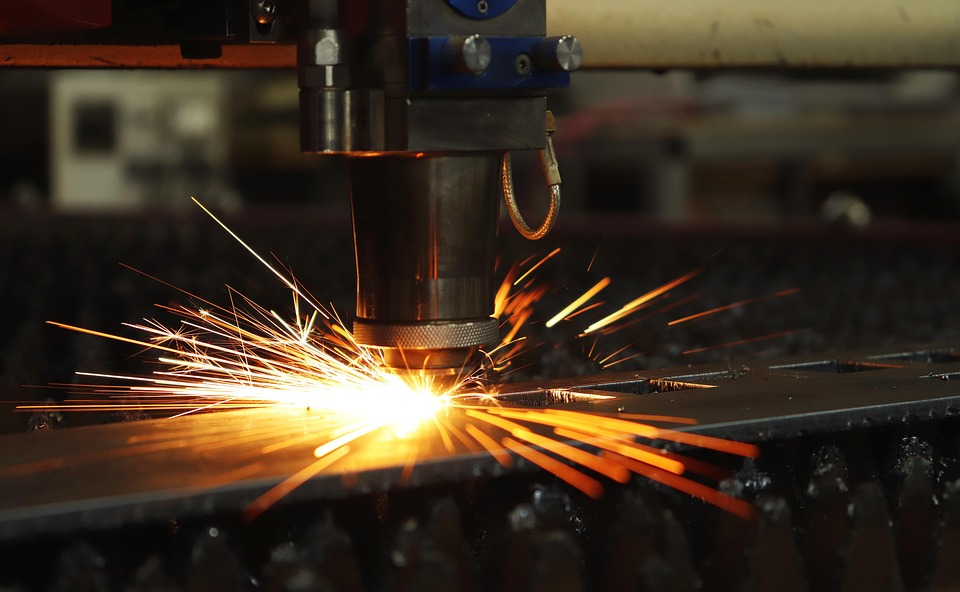
Ceramic
Ceramic milling cutters are primarily composed of alumina or silicon nitride. They offer extremely high hardness and heat resistance, maintaining good cutting performance at high temperatures. They can withstand very high cutting speeds and are suitable for high-speed finishing and machining very hard materials like hardened steel and nickel-based alloys. However, ceramic tools have poor toughness and are brittle, making them prone to fracture under impact. Cutting parameters must be strictly controlled during use.
PCD (Polycrystalline Diamond)
PCD tools are sintered from diamond particles under high temperature and high pressure. They offer extremely high hardness and wear resistance, making them ideal for machining non-ferrous metals (e.g., aluminum, copper, and their alloys), composite materials, and non-metallic materials. Tool life is far longer than other materials. However, due to the high cost of diamond, PCD tools are typically used for high-precision, high-volume production.
CBN (Cubic Boron Nitride)
CBN is a superhard material with hardness second only to diamond. It offers excellent heat resistance and chemical stability, performing exceptionally well in high-speed cutting. CBN is primarily used for machining high-hardness materials such as hardened steel and chilled cast iron. Due to its high cost, CBN tools are mainly used in high-end machining applications.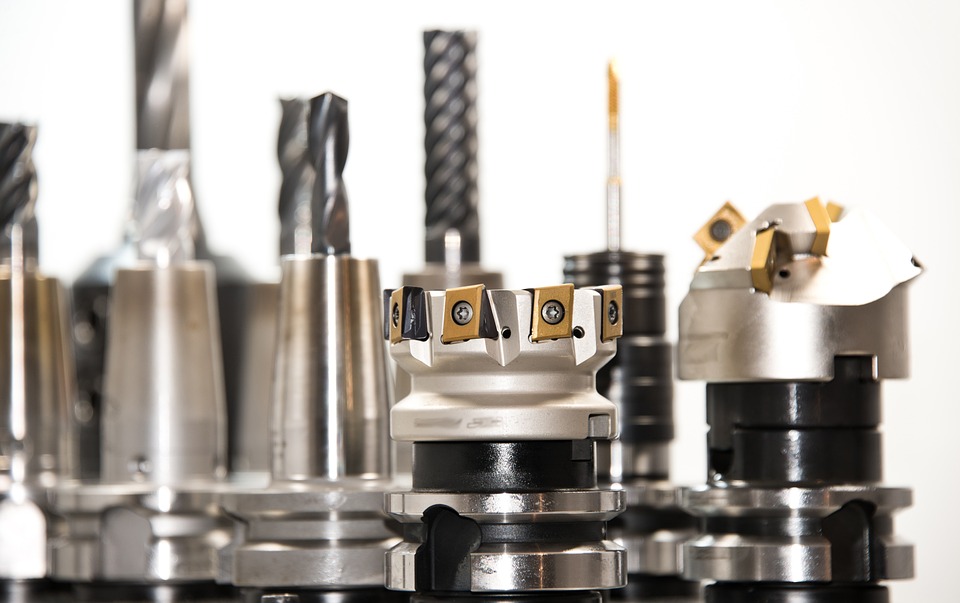
3. Milling Cutter Coatings
Coatings act as a “secret weapon” to significantly enhance milling cutter performance. Applying one or more layers of special material to the tool surface improves hardness, wear resistance, heat resistance, and oxidation resistance while reducing friction. This extends tool life and improves machining efficiency and quality.
Common coating types include:
TiN (Titanium Nitride)
Gold in color, this is a general-purpose PVD coating with good hardness and wear resistance. Its oxidation temperature is around 500°C (930°F). It effectively improves cutting performance and is commonly used on HSS cutting tools and forming tools, performing well when machining ordinary steel and cast iron.
TiCN (Titanium Carbonitride)
TiCN incorporates carbon into the TiN coating, further increasing hardness to HV 3000–4000 and improving surface lubrication. This coating is particularly suitable for HSS tools, effectively reducing cutting forces and temperatures while improving surface finish. It is suitable for machining alloy steel, stainless steel, and similar materials.
TiAlN (Titanium Aluminum Nitride)
TiAlN forms an aluminum oxide protective layer at high temperatures, offering excellent high-temperature performance and oxidation resistance. It can withstand cutting temperatures up to 800–900°C (1470–1650°F). It is primarily used for carbide tools in dry or semi-dry cutting, offering significant advantages when machining difficult-to-cut materials like high-temperature alloys and titanium alloys.
Diamond Coating
Produced via CVD (Chemical Vapor Deposition), this is one of the hardest coatings available, with extremely high wear resistance and a low friction coefficient. Diamond-coated tools excel when machining non-ferrous metals (e.g., aluminum, copper, and their alloys), graphite, metal matrix composites, and other highly abrasive materials. However, because diamond reacts chemically with iron, diamond-coated tools cannot be used for machining steel parts.
4. How to Select the Right Milling Cutter
Selecting a milling cutter requires considering multiple factors. The right tool significantly improves efficiency and quality while reducing costs.
Select by Workpiece Material
| Workpiece Material | Recommended Cutter Material |
|---|---|
| Soft materials (e.g., aluminum alloy) | HSS or standard carbide (lower cost, meets requirements) |
| Harder steels (e.g., mold steel, alloy steel) | Carbide |
| Extremely hard materials (e.g., hardened steel, ceramics) | PCD or CBN |
Select by Machining Operation
| Operation | Recommended Tool Type | Key Characteristics |
|---|---|---|
| Roughing | Larger diameter, fewer flutes (e.g., corner radius end mill) | High material removal rate; large R-angle and chip grooves handle heavy cuts |
| Finishing | Smaller diameter, more flutes (e.g., ball nose end mill for contoured surfaces) | High dimensional accuracy and surface finish |
KNOW MORE
- CNC Inserts Safety Milling Carbide Cutting Insert Lathe Turning Tool Manufacturer
- Tungsten Carbide Insert CNC Machine Turning Inserts Snmg
Beyond supplying high-performance carbide inserts, we deliver a comprehensive service ecosystem. Our technical team provides application support, failure analysis, and customized grades/geometries for your unique automotive processes. We excel in tool management—from inventory optimization and tool kitting to performance monitoring and data-driven cost-per-part reduction. With strong engineering capabilities and rapid response, we don’t just sell tools; we partner to lower your manufacturing costs, increase spindle uptime, and ensure consistent thread quality across high-volume production. Whether you need a trial recommendation or a full tooling solution, our team is ready to support you.