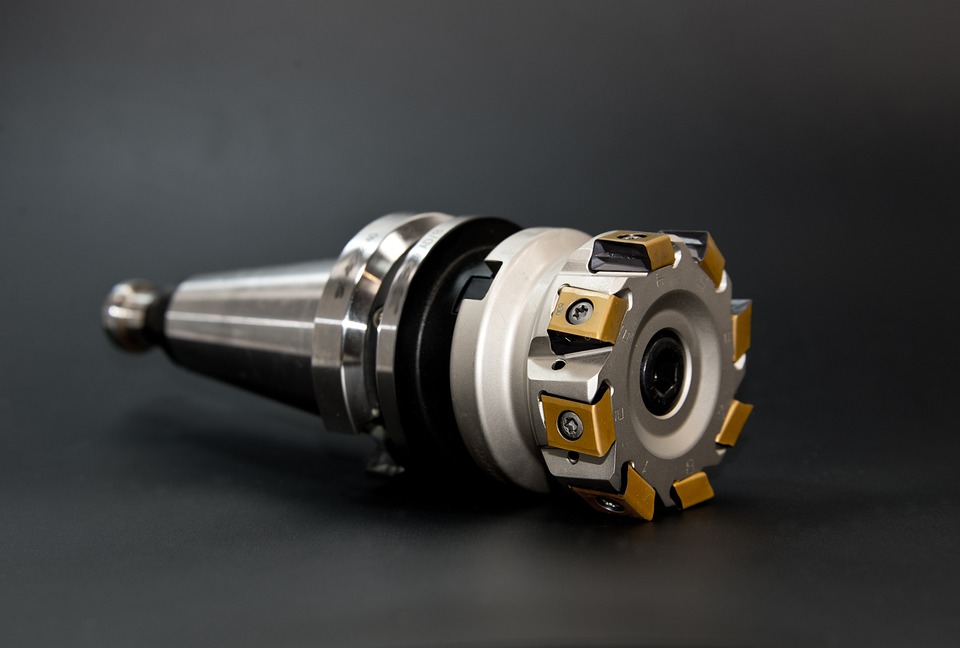
Drill bits are among the most common tools in CNC machining. However, improper use easily leads to breakage, hole deviation, and poor surface finish. Below is practical, straightforward drill knowledge to help you master the basics quickly.
Drill Bits in CNC Machining: Essential Knowledge to Avoid Breakage & Poor Hole Quality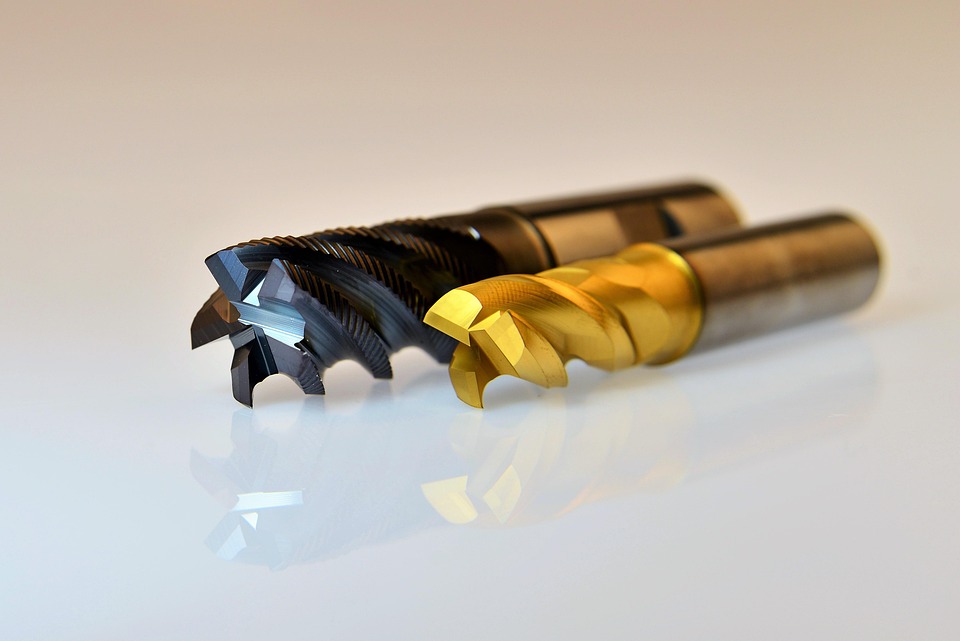
1. Basic Drill Classification (Start with the most common types)
| Type | Features | Best For |
|---|---|---|
| Twist Drill (HSS) | General-purpose, low cost | Steel, aluminum, cast iron (low-speed machining) |
| Solid Carbide Drill | Wear-resistant, long tool life | Stainless steel, hardened steel (recommended for CNC) |
| Center Drill | Short and rigid | Spot drilling (prevents wandering) |
| Counterbore / Countersink | Flat-bottom or chamfer | Creating counterbore holes / deburring |
| Deep Hole Drill | High length-to-diameter ratio | Deep hole drilling (requires high-pressure coolant) |
Key takeaways for machine operators:
-
Standard holes → Use twist drills (cheaper, but wear faster)
-
Stainless steel / hard materials → Use solid carbide drills (longer life, but more expensive)
-
Deep holes (>5× diameter) → Use a deep hole drill, otherwise it will break easily
2. Drill Geometry (Directly affects hole quality)
(1) Diameter (D)
-
Standard drills: Ø1–Ø20 mm (most common)
-
Micro drills: Ø0.1–Ø1 mm (easy to break, requires high RPM)
(2) Point Angle (118° vs. 135°)
| Angle | Best For |
|---|---|
| 118° | General purpose (steel, aluminum, cast iron) |
| 135° | Stainless steel, hard materials (better penetration) |
Note:
-
For soft materials like aluminum or copper → Use a 90° point angle to reduce burrs
(3) Helix Angle
-
Large helix angle (30°–45°) → Better chip evacuation, suitable for deep holes
-
Small helix angle (10°–20°) → Greater rigidity, suitable for hard materials
3. Drilling Parameters (Apply directly to avoid problems)
(1) Spindle Speed (RPM)
| Material | Speed Range (RPM) |
|---|---|
| Aluminum | 5,000 – 10,000 |
| Steel (e.g., 45#) | 1,000 – 2,000 |
| Stainless Steel (304) | 500 – 1,000 |
| Cast Iron (HT250) | 800 – 1,500 |
(2) Feed Rate (mm/rev)
| Material | Feed (mm/rev) |
|---|---|
| Aluminum | 0.10 – 0.30 |
| Steel | 0.05 – 0.15 |
| Stainless Steel | 0.03 – 0.08 |
| Cast Iron | 0.05 – 0.12 |
Operator’s rule of thumb:
-
“Aluminum fast, steel slow, stainless steel even slower.”
-
“Small drills need high RPM; large drills need low RPM.”
4. Common Problems & Solutions
| Problem | Possible Cause | Solution |
|---|---|---|
| Drill breakage | Feed too high / Poor chip evacuation | Reduce feed rate; clear chips frequently |
| Hole wander / misalignment | Drill not centered / Loose workpiece | Use a center drill to spot first |
| Rough hole wall | Dull drill / RPM too low | Replace with sharp drill; increase RPM |
| Built-up edge (aluminum) | Helix angle too small / No cutting fluid | Use large-helix drill; apply cutting fluid |
5. Practical Tips (From experienced machinists)
-
Always spot drill first – prevents wandering
-
Peck drill for deep holes – retract every 5mm (0.2″) to clear chips
-
Listen to the cutting sound:
-
Normal: Steady “humming”
-
Abnormal: High-pitched squeal (RPM too high) / Dull thudding (feed too high)
-
6. Learning Advice (To improve quickly)
-
Memorize the common speeds and feeds for aluminum, steel, and stainless steel
-
Keep a log of why drills break (parameters? material? chip evacuation?)
-
Ask experienced machinists: “Which drill do you recommend for this material?”
Remember: “Once the drill breaks, the hole is scrap. Stable parameters save you headaches.”
Master these basics, and you’ll quickly reduce drill breakage while improving hole quality.
KNOW MORE
- CNC Inserts Safety Milling Carbide Cutting Insert Lathe Turning Tool Manufacturer
- Tungsten Carbide Insert CNC Machine Turning Inserts Snmg
Beyond supplying high-performance carbide inserts, we deliver a comprehensive service ecosystem. Our technical team provides application support, failure analysis, and customized grades/geometries for your unique automotive processes. We excel in tool management—from inventory optimization and tool kitting to performance monitoring and data-driven cost-per-part reduction. With strong engineering capabilities and rapid response, we don’t just sell tools; we partner to lower your manufacturing costs, increase spindle uptime, and ensure consistent thread quality across high-volume production. Whether you need a trial recommendation or a full tooling solution, our team is ready to support you.